


Disaster and Pandemic Preparedness with International Private Medical Insurance
- Written by: iPMI Global
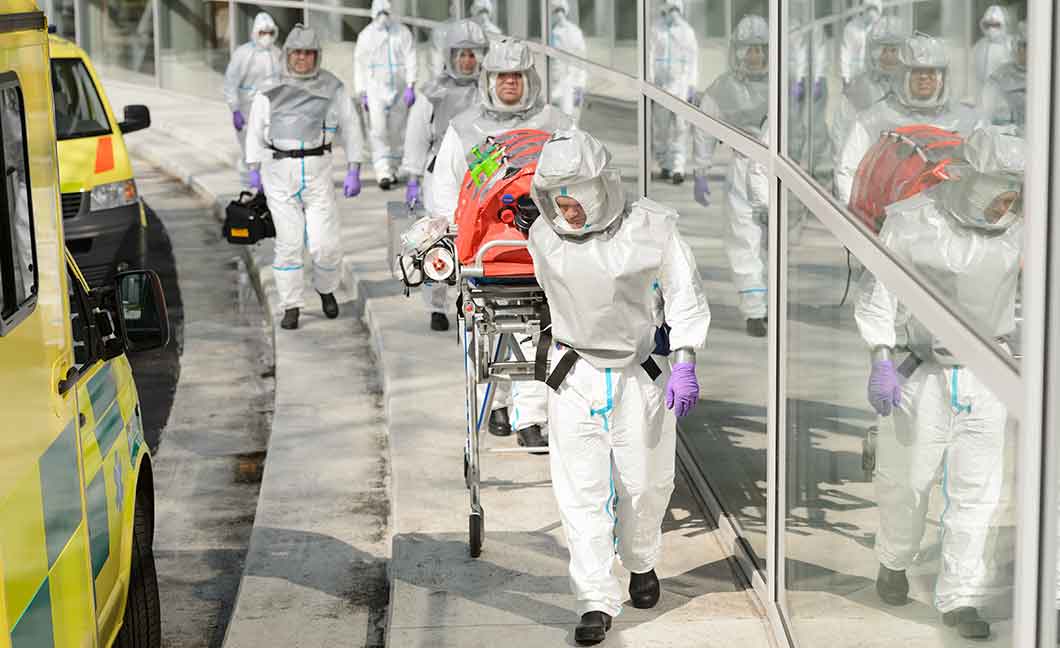
In this iPMI Global insights article we look at disaster and pandemic preparedness in the iPMI market and ask how the industry can prepare for the next big problem that may affect expatriate communities.
Originally published in the recent iPMI Global Round Table report, Expatriate Healthcare Insurance Strategies, we look at lessons learnt for future preparation.
Q: How can global iPMI providers prepare for the next big global problem that will affect expatriate communities?
Ross Walker, Cigna Healthcare: Who knows. One thing I do know is having a highly resilient, adaptable team who know they are valued and can build a strong career with us will be best placed to help us deal with whatever comes along.
Jeroen Van de Velde, Foyer Global Health: In addressing how global International Private Medical Insurance (IPMI) providers can prepare for the next major global problem affecting expatriate communities, it’s evident that a comprehensive, multi-faceted strategy is essential. The COVID-19 pandemic highlighted the need for businesses, particularly those in the IPMI sector, to have robust systems in place to quickly adapt to pandemic crises and other unforeseen global emergencies. Here’s how IPMI providers can enhance their preparedness:
- Investment in Remote Working Environments: The pandemic has accelerated the shift towards remote working, prompting companies to invest in technologies and systems that support a flexible working environment. For IPMI providers, having the infrastructure to transition smoothly to remote operations is crucial. This not only ensures uninterrupted service to clients but also maintains operational efficiency, regardless of external pressures.
- Flexible Global Servicing Ecosystem: A versatile global servicing ecosystem enables IPMI providers to reallocate resources and services across different locations swiftly. Such flexibility is invaluable in adapting to both local and global crises, ensuring that service delivery remains consistent and responsive to changing circumstances. By leveraging a decentralized model, IPMI providers can minimize disruptions caused by localized events.
- Partnerships with Emergency and Crisis Management Experts: Collaborating with the right emergency and crisis management partners is critical for navigating and mitigating potential global crises. These partnerships provide IPMI providers with the expertise and resources needed to respond effectively to emergencies, from natural disasters to health pandemics and political instability. A well-connected network of specialists enhances the provider’s capacity to protect their clients under any circumstances.
- Robust Business Continuation Plan: At the core of an IPMI provider’s preparedness strategy should be a comprehensive, multi-layer business continuation plan that encapsulates all the above elements. Such a plan should detail the procedures for maintaining operations during various types of crises, ensuring that every aspect of the business, from client services to internal communications, is covered. A robust plan not only prepares the company for immediate response but also for the recovery phase, ensuring long-term resilience.
By integrating these components into their strategic planning, IPMI providers can fortify their preparedness for future global challenges. This comprehensive approach not only safeguards the provider’s operational integrity but also reinforces their commitment to delivering reliable, high-quality service to expatriates and global citizens, no matter the global circumstances.
Kevin Melton, IMG (International Medical Group): One of the most impactful ways to prepare is by improving communication strategies. Providers need to establish effective communication channels to promptly inform customers of risks and keep them regularly updated as situations develop. The essential crisis support benefits available with Global Prima are also crucial to provide 24/7/365 assistance in case of emergency.
Another key consideration in preparing for big global problems is customer centricity and flexibility when market dynamics change. For example, during the COVID-19 global pandemic, IMG was prompt with necessary product changes, like vaccines and coverage for COVID-related illnesses, due to our flexible underwriting abilities.
Iara Vilches, PassportCard: We definitely believe that flexibility of coverage plays a big part in choosing the right coverage. Providers that are willing to offer repatriation and fast assistance solutions to their customers under inhouse provision terms would be preferable to clients.
Dr Christopher Percival, iPMI Expert: Insurers and Underwriters have learnt many lessons from the pandemic but there is a line between force majeure and reality of policy wording exclusions and the terms & conditions as we saw recently. Epidemics are more frequent and can affect the market equally so insurers should not be surprised when the next one arrives.
Claire Hargreaves, Trawick International: We can only take what has been learned from previous experience. It is impossible to prepare for every eventuality, but Trawick International’s staff are fully digital, mobile-enabled, and are able to move into a home service environment at a moment’s notice with no customer detriment. Trawick International also has partnerships with global crisis companies that can step in and support members.
Lourdes F. Peters, World of America: The times have changed dramatically in the last 10 years. I think that today, we all have the closest idea of a war on a global scale floating around in our heads. Insurance companies must be prepared with flexible plans and a clear prior protocol for all actors in the System (including agencies like ours) of a crisis plan, which includes coordination mechanisms with local authorities and providers, hand in hand with relevant international aid organizations in these cases. Additionally, staying current on global events and emerging trends will allow them to anticipate and adapt to future challenges proactively. Preparing for future international events requires strategic planning, flexibility, and multidisciplinary collaboration, for which you must be prepared in advance. Covid 19 gave us a glimpse into the enormous changes in our landscape and provided the flexibility to change, adapt, and move on from it. The world was unprepared for it, but it showed how we continue to be flexible; therefore, our responsibility is to prepare for the future.
Related Reading: Expatriate Healthcare Insurance Strategies Round Table
Editor’s Note: The above answers are published in alphabetical order by company name.


